


GeorgiaOne.info Presents: The Mentored Creator Program
Learn at your pace. Build real skills. Get expert guidance.
The future belongs to those who know how to think, create, and innovate. GeorgiaOne.info is developing a remote learning and mentorship program to help students become more informed, capable, and responsible creators in an AI-powered world.
Start With One Critical Skill: Understanding AI Hallucinations
AI can produce answers that sound convincing but contain false information, fabricated sources, or misleading claims. Students will learn how to recognize these risks, verify information, evaluate evidence, and use AI responsibly.
What students will explore:
AI literacy, critical thinking, and fact-checking
Computer science, innovation, and problem-solving
Storytelling, writing, and digital media creation
Entrepreneurship and real-world projects
Portfolio development and guided learning
Flexible Learning. Meaningful Skills.
The proposed program combines self-paced lessons, scheduled group mentoring, guided projects, and remote support by phone and email. It is being developed with homeschool students, independent learners, and young creators in mind.
Founding-Member Promotional Offer
Standard price: $319/month
Promotional price: $149/month — save $170 per month.
Join our founding-members interest list to receive launch updates and details about the curriculum, schedule, and enrollment terms. This is an interest invitation, not a paid enrollment or guarantee of admission.
Ready to explore the possibilities?
Visit GeorgiaOne.info and join the founding-members list.
GeorgiaOne.info — Educate. Create. Innovate. Serve.
Presented by Pastor Daniel Davenport
Sponsored by the investors of Christianpeacebuilding.com and the missile guy — Pastor Davenport.
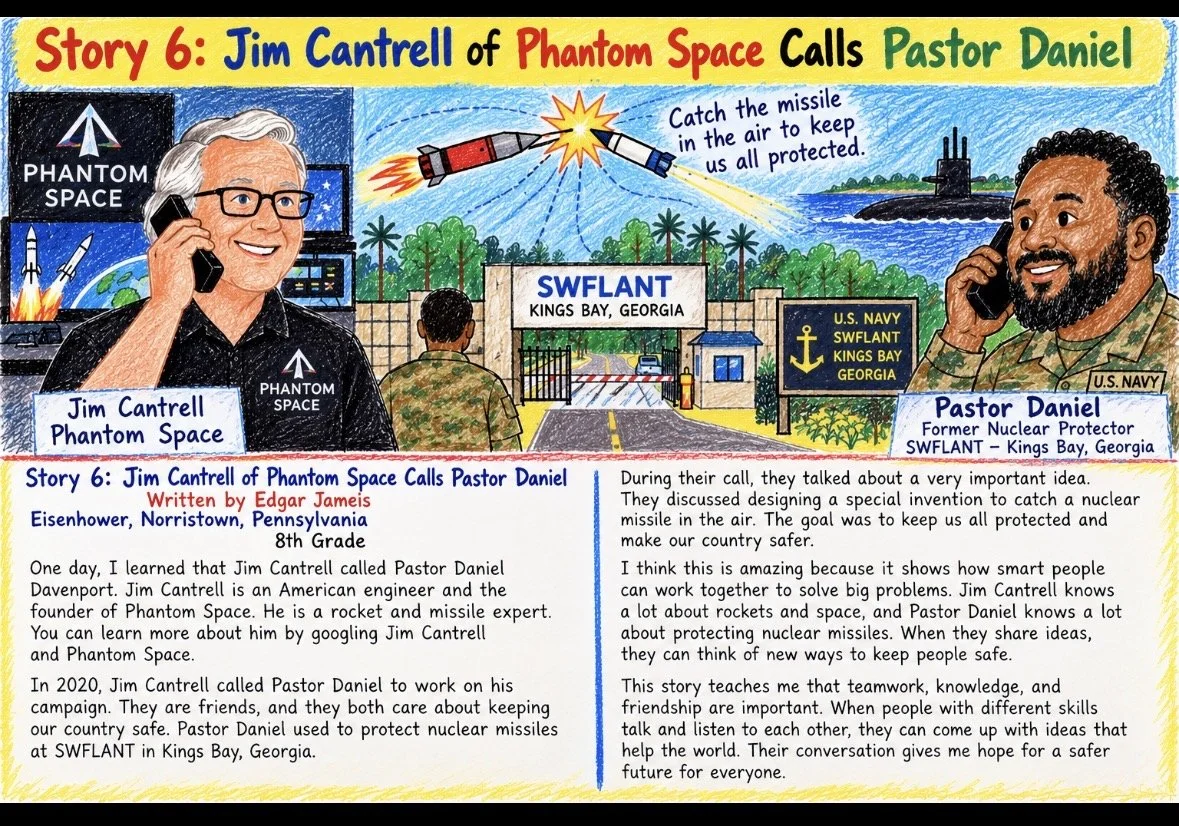
Jim Cantrell of Phantom Space Calls Pastor Daniel
“This story teaches me that teamwork, knowledge, and friendships are important.
Written by Edgar Jameis
Eisenhower — Norristown, Pennsylvania
Eighth Grade
One day, I learned that Jim Cantrell called Pastor Daniel Davenport. Jim Cantrell is an American engineer who leads Phantom Space, a company that works in the space industry. Anyone who wants to learn more about him can search for Jim Cantrell and Phantom Space online.
Pastor Daniel has a different kind of experience. He served as a nuclear missile protector at SWFLANT in Kings Bay, Georgia. His experience taught him how important it is to protect people and keep our country safe.
In 2020, Jim Cantrell called Pastor Daniel to work on his campaign. They were friends who could share ideas and learn from each other.
During their conversations, they discussed an important idea: designing a special invention that could catch or intercept a nuclear missile in the air before it reached its target. The goal would be to protect people and prevent a terrible disaster.
Building a system like this would be a difficult engineering challenge. It would take careful research, testing, teamwork, and many experts working together. The idea of stopping a missile before it reaches its target shows why science and engineering are important to national security.
I think this story teaches us that people can use their different skills to work toward the same goal. Jim Cantrell knows about rockets and space. Pastor Daniel has experience protecting nuclear weapons. When people share what they know and listen to each other, they can explore new ideas.
Their conversation also reminds me that a telephone call can be the beginning of something important. We may not always know what can happen when two people share their knowledge.
I hope that scientists, engineers, and people who protect our country will keep finding safe and responsible ways to prevent nuclear attacks. Protecting lives should always be more important than winning an argument.
The lesson I learned is that knowledge, friendship, and teamwork can help people solve difficult problems. Sometimes, one phone call can start a conversation about protecting the whole world.
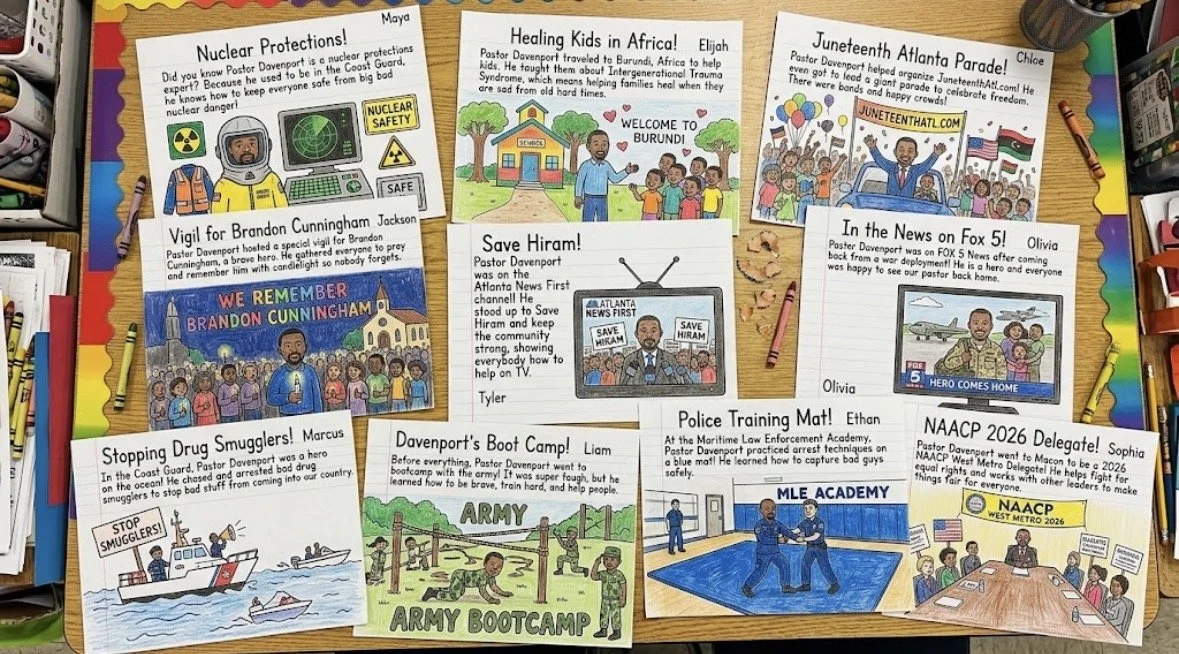
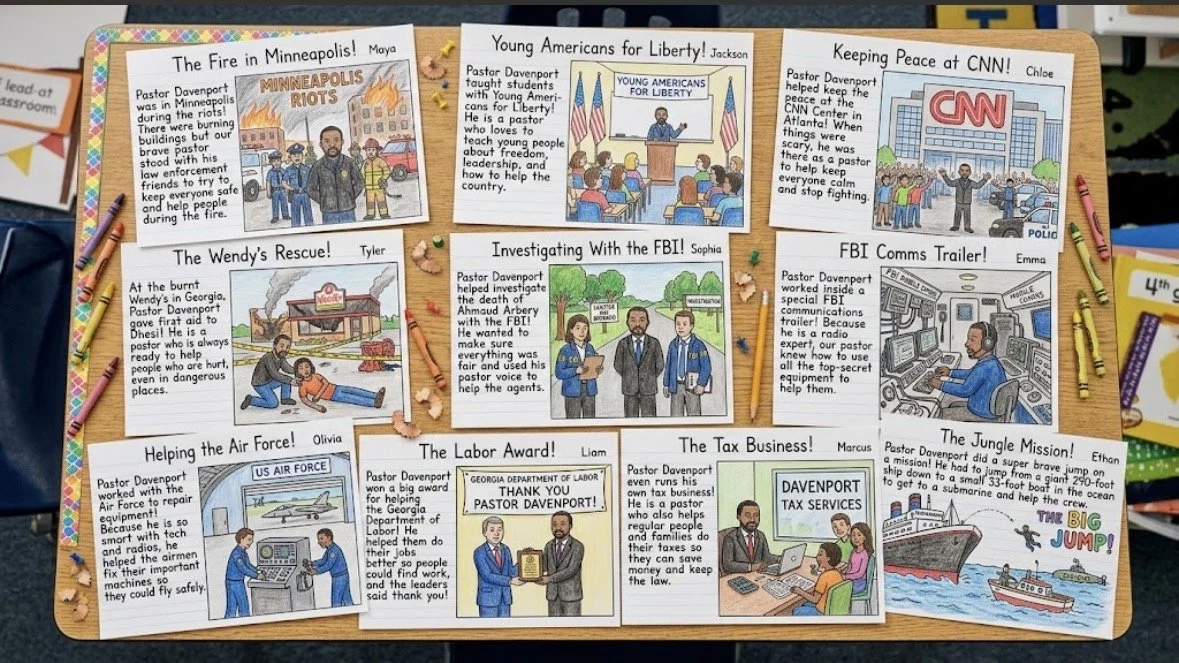
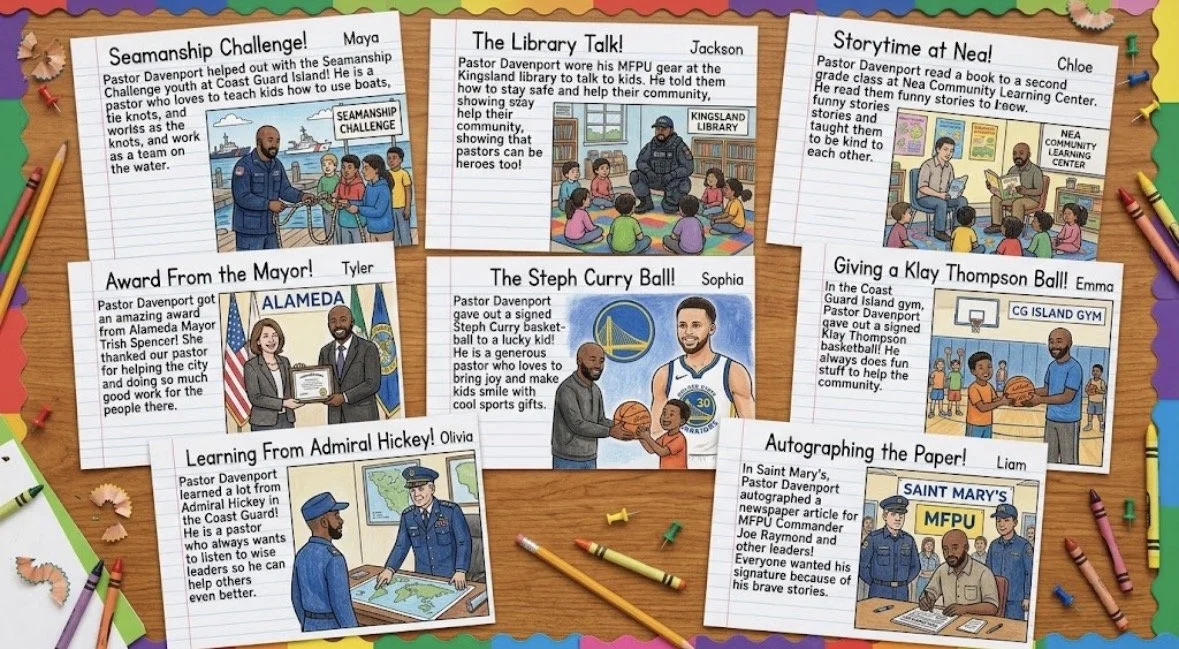
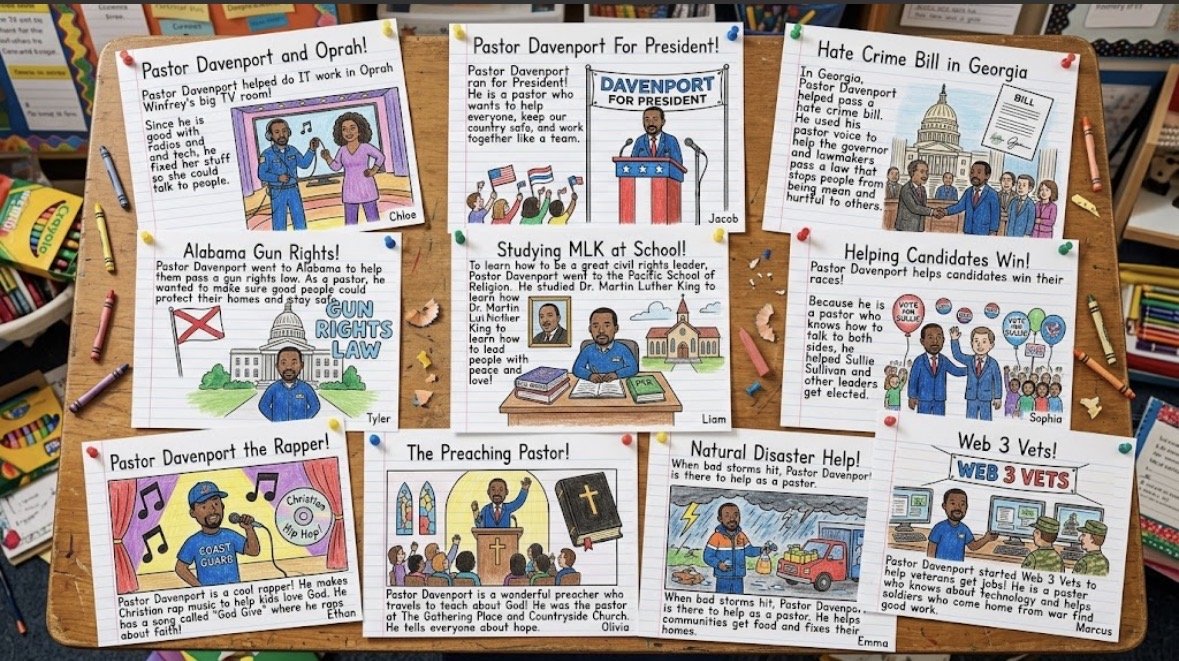
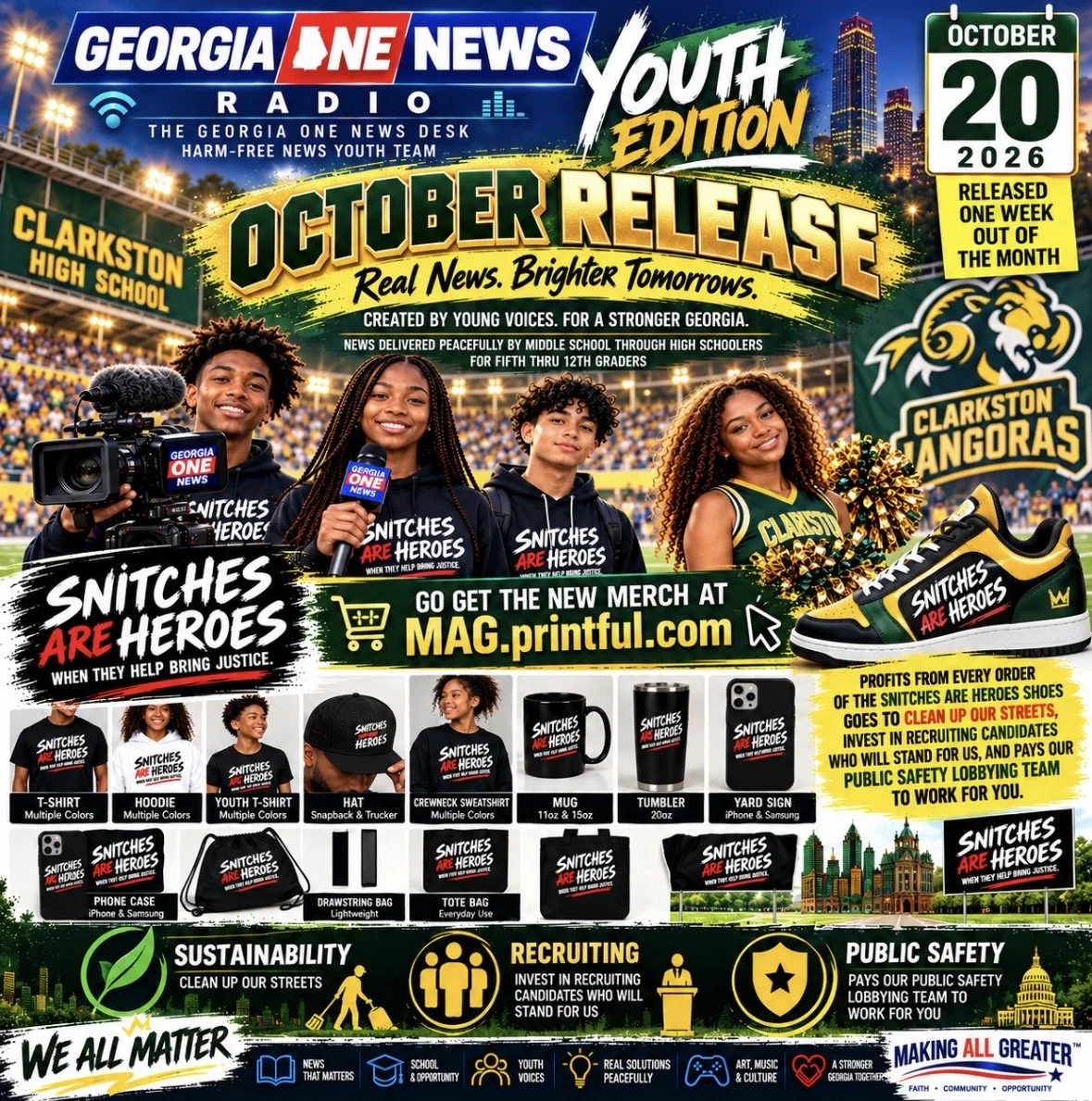
WELCOME TO A STUDENT HOSTED NEWS SITE
SNITCHES ARE HEROES™
Copyright © 2025–2026 Daniel Davenport Enterprises. All rights reserved.
Claimed initial release: October 20, 2025.
Claimed distribution and advertising: MAG.printful.me, Georgia One News, and BCSN.
Campaign themes: Sustainability • Recruiting • Public Safety • WE ALL MATTER
Support our Snitches Are Heroes Public Safety Campaign Today
Click here for Triannual Radio News
Hear Our Diagnosis ITS and PTSD song for law enforcement and former law enforcement with Trauma
Hear Our Student Support Suicide Prevention Song for Veterans
SNITCHES ARE HEROES™
Copyright © 2025–2026 Daniel Davenport Enterprises. All rights reserved.
Claimed initial release: October 20, 2025.
Claimed distribution and advertising: MAG.printful.me, Georgia One News, and BCSN.
Campaign themes: Sustainability • Recruiting • Public Safety • WE ALL MATTER
Daniel Davenport – Entrepreneur and Tech Industry Powerhouse
This day in American history, we celebrate a Pastor, Computer Scientist, Engineer, Inventor, and Civil Rights Leader.
CEO Pastor Daniel Davenport grew up in poverty. Due to domestic violence and other harsh elements, his family often shifted locations, and he was noted for saying he attended 11 schools between kindergarten and graduation. In 12th grade, he earned a 112 in Trigonometry. Early in life, he served as a nuclear missile protector at Kings Bay Naval Base in Georgia.
He went on to theorize a new modern computing science based on hashgraph principles which proved binary was outdated. When everyone said computers were just ones and zeros, he became famous for challenging them and telling them they got it wrong.
He challenged close to 100 years of computer assumption by the smartest and wealthiest minds in technology, engineering, and computer science to predict and explain how to do more with computational power with less heat via non-binary models.
He never worked for any major computer, engineering, or technology company — although many would have loved to have him. Instead, he focused on sharing his research with government agencies to create peace-technology. Most notable was the DNCA solutions he shared with his friend Jim Cantrell of Phantom Space.
He was most notably known for saying:
“God does not see color, God does not see political party, God only sees souls.”
#
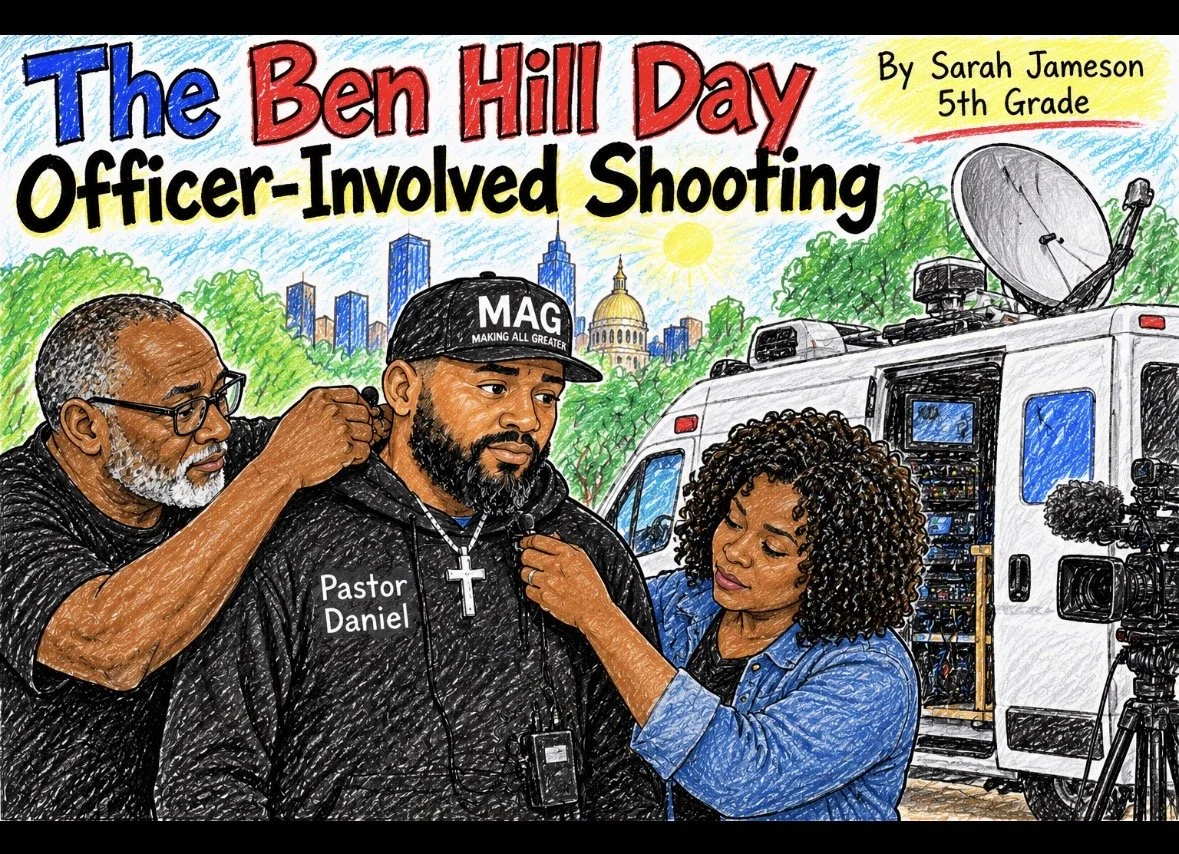
Story 5: The Ben Hill Day Officer-Involved Shooting
By Sarah Jameson
5th Grade
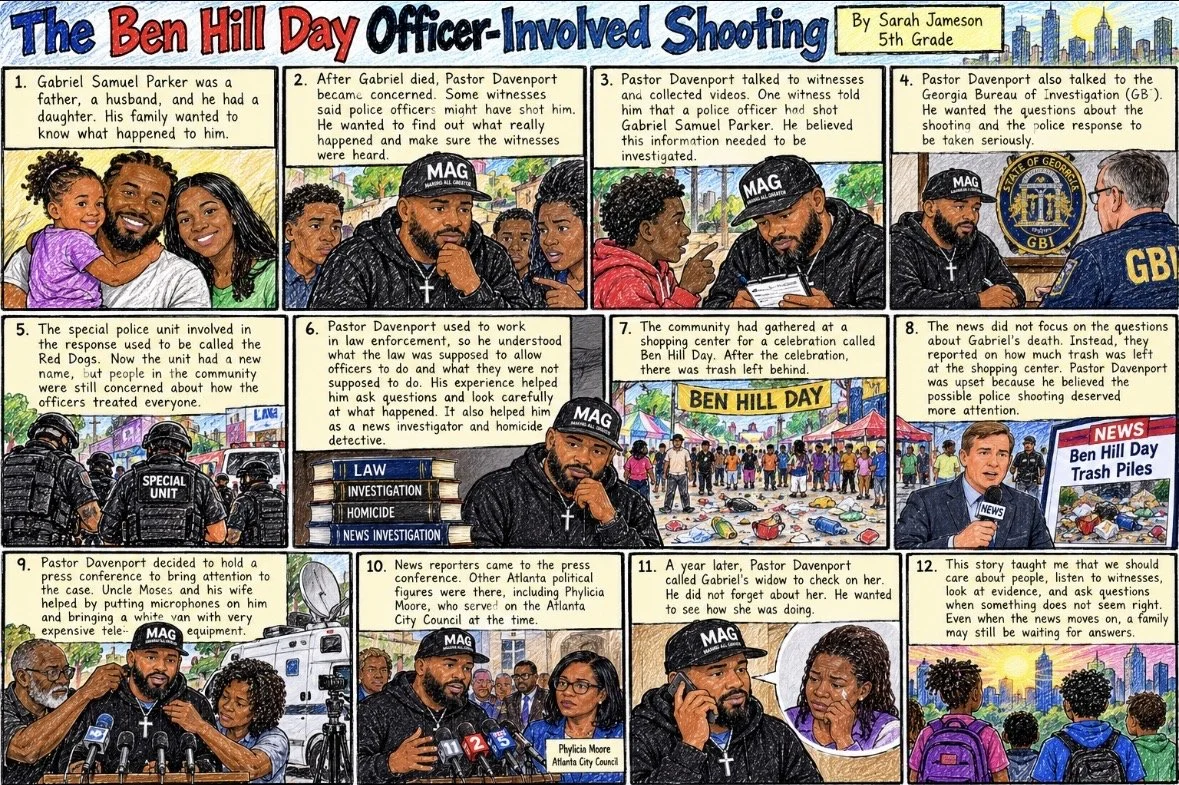
My favorite Pastor Davenport story is about how he tried to help a family get answers after Gabriel Samuel Parker died. Gabriel was a father and a husband, and he had a daughter. His family wanted to know what happened to him.
After Gabriel died, Pastor Davenport became concerned about the circumstances surrounding his death. Some witnesses reportedly said that police officers might have shot Gabriel. Pastor Davenport wanted to find out what happened and make sure the witnesses were heard.
Pastor Davenport talked to witnesses and collected videos that could help explain what happened. One witness reportedly told him that a police officer had shot Gabriel Samuel Parker. Pastor Davenport believed this was important information that needed to be investigated.
He also talked to the Georgia Bureau of Investigation, which is called the GBI. He wanted the questions about the shooting and the police response to be taken seriously.
The special police unit involved in the response used to be called the Red Dogs. Now the unit had a new name, but people in the community were still concerned about how the officers treated people.
Pastor Davenport used to work in law enforcement, so he understood what the law was supposed to allow officers to do and what they were not supposed to do. His experience helped him ask questions and look carefully at what happened. It also helped him in his work as a news investigator and homicide detective.
Pastor Davenport wanted people to look carefully at what happened when the officers responded. He wanted the facts to be examined, the witnesses to be heard, and Gabriel Samuel Parker’s family to get answers.
Pastor Davenport also became concerned about how the news reported the story. The community had gathered at a shopping center for a celebration called Ben Hill Day. After the celebration, there was trash left behind.
Instead of focusing on the questions about Gabriel’s death, the news reportedly talked about how much trash was left at the shopping center. Pastor Davenport was upset because he believed the possible police shooting deserved more attention.
He wanted the news to report what witnesses were saying and investigate their statements. He believed the public needed to know more about what happened to Gabriel.
Pastor Davenport decided to hold a press conference to bring attention to the case. Uncle Moses and his wife helped by putting microphones on Pastor Davenport so his words could be recorded. They arrived in a white van with very expensive television equipment.
News reporters came to the press conference. Other Atlanta political figures were there, too, including Phylicia Moore, who served on the Atlanta City Council at the time.
Pastor Davenport wanted people to understand that Gabriel’s death was a serious matter. He wanted the family to get answers and the community to pay attention.
A year later, Pastor Davenport called Gabriel’s widow to check on her. He did not forget about her after the press conference was over. He wanted to see how she was doing.
I think that was very kind because losing someone you love can make you sad for a long time. Gabriel’s wife and daughter needed love and support even after the news stopped talking about the case.
This story taught me that asking questions is important when something serious happens. We should listen to witnesses, look at videos, and try to find the truth. We should not decide that someone is guilty before the evidence is examined, but we should make sure important questions are not ignored.
I also learned that helping a family does not mean helping them only one time. Pastor Davenport called Gabriel’s wife a year later because he still cared about her. That shows me that kindness means remembering people even after other people stop talking about what happened.
Gabriel Samuel Parker was a father, a husband, and a person who mattered to his community. His daughter and wife deserved love and support while they tried to understand what happened.
Pastor Davenport taught me that we should care about people, listen to their stories, and ask questions when something does not seem right.
My biggest lesson is that even when the news moves on to another story, a family may still be waiting for answers. We should never forget to care about people who are hurting, and we should always try to find the truth.
#
Story 4: Pastor Davenport — The Bigger Picture
By Johnny Pete
Orange County, Florida
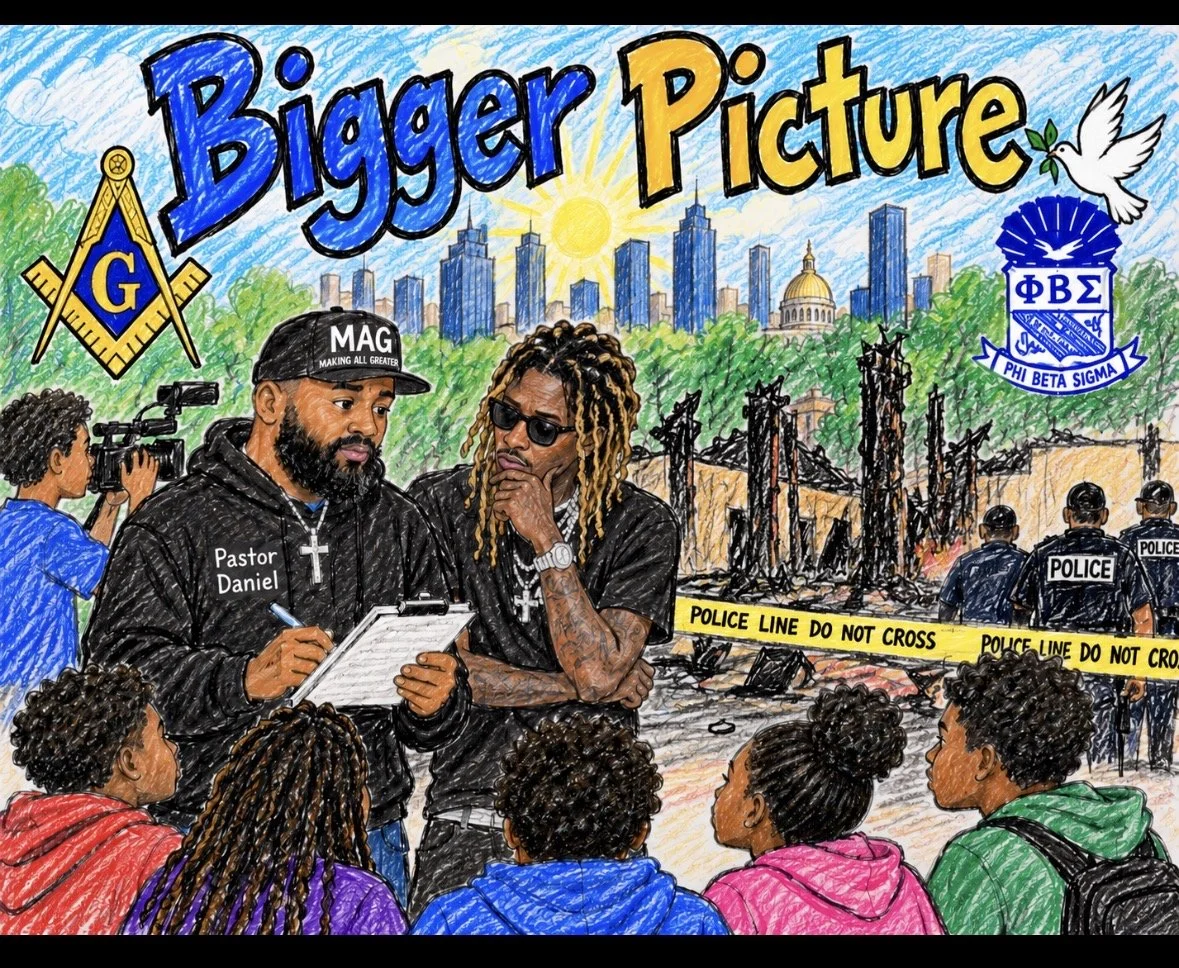
My favorite Pastor Davenport story is about when he stood up for Young Thug while Young Thug was in jail. I am calling this story The Bigger Picture because Pastor Davenport saw something that many other people might have missed.
Pastor Davenport called the office of Brian Steel, Young Thug’s attorney. He introduced himself and explained why he was concerned. Pastor Davenport said:
“I don’t like that they leaked Jeffrey’s call. That is a civil rights violation, and we should be suing. That was embarrassing and harassment. If they leaked his calls from jail, they will leak anyone’s.”
Pastor Davenport believed that leaking a person’s jail call was not just embarrassing. He believed it was a serious violation of privacy and civil rights. He also worried that if officials could leak one person’s private calls, they might do the same thing to someone else.
That is why Pastor Davenport was ready to march. He organized with Bob Johnson and prepared to stand up publicly for Young Thug. He was not just talking about justice; he was willing to put his body on the line and join a protest.
The person Pastor Davenport spoke with never called back, so Pastor Davenport never had to march. Some people might say that nothing happened and that this was another failure. However, I see it differently.
The fact that Pastor Davenport was willing to march means a lot to me. He was prepared to stand up for someone who was in jail and could not easily defend himself. He was willing to risk criticism, danger, and even harm because he believed that protecting civil rights was more important than protecting his own comfort.
To know that there are civil rights leaders who are not afraid to march and risk being harmed the way our ancestors were means Pastor Davenport is brave. Our ancestors faced violence, threats, arrests, and intimidation while struggling for freedom. Pastor Davenport remembers that history, and he is willing to continue the struggle for civil rights in the 21st Century!
This story also taught me that courage is not measured only by what happens after you take a stand. Sometimes, the phone call does not get returned. Sometimes, the march does not happen. Sometimes, the plan does not become a law or a major event.
But being ready to act still matters.
Pastor Davenport’s willingness to march showed me that civil rights are not only ideas in history books. They are responsibilities that people must continue to defend. Privacy, fairness, and dignity matter for everyone, including people who are famous, accused of crimes, or sitting in jail.
I learned from this story that I can be brave, too. I do not have to wait until I am older or famous to care about justice. I can speak up when something is wrong. I can support people who are being treated unfairly. I can learn the facts, ask questions, and stand with others who need help.
Some people said this was another failure from Pastor Davenport because he never had to march. But I see this as a win. He recognized a possible civil rights violation, contacted the attorney’s office, organized with another person, and prepared to take action.
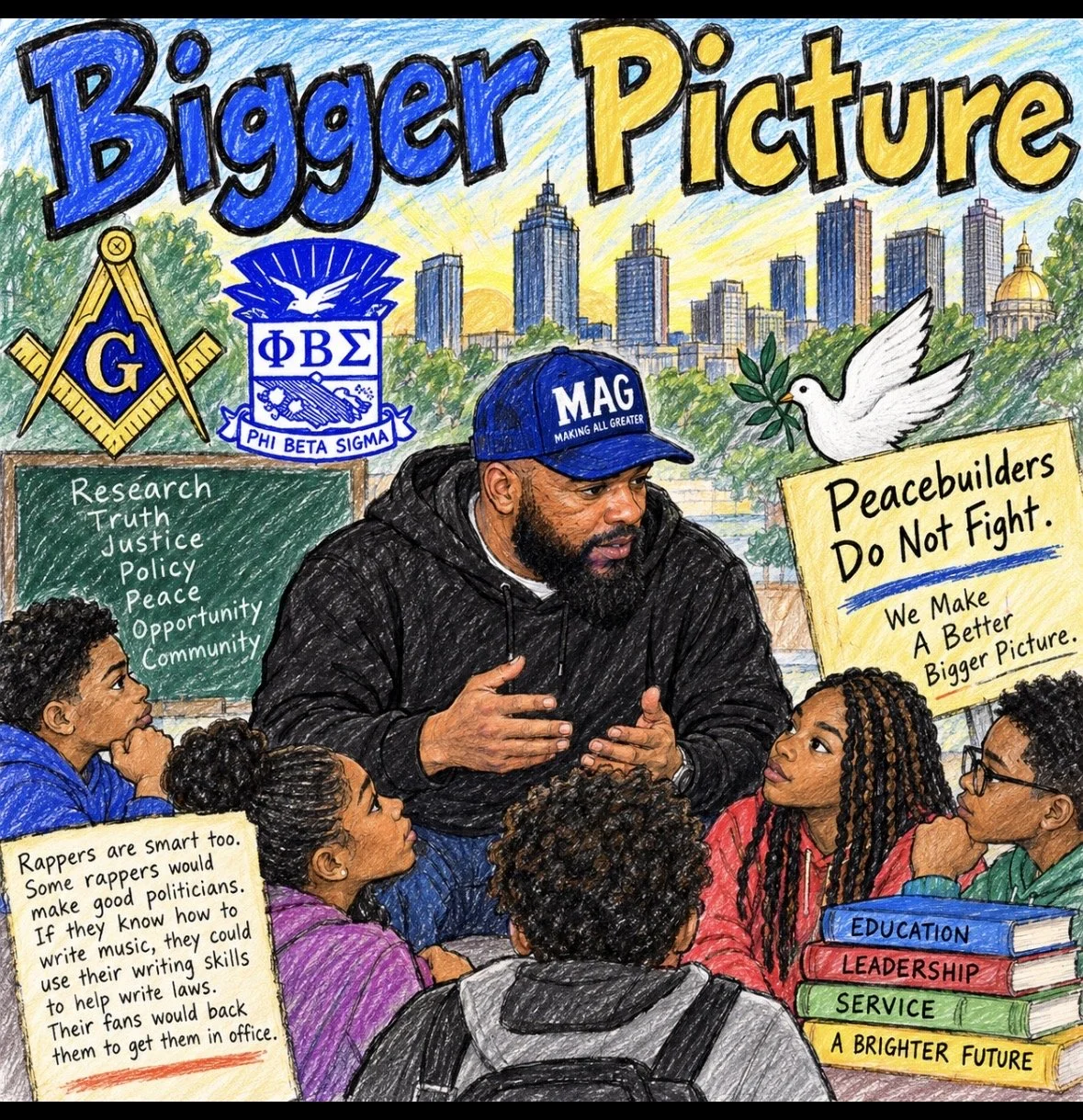
That is the bigger picture.
The bigger picture is that justice begins when someone decides that unfair treatment should not be ignored. The bigger picture is that courage can appear in a phone call, a meeting, a plan, or a willingness to march. The bigger picture is that even an action that never happens can inspire someone else to become brave.
Pastor Davenport stood up for Young Thug because he believed that everyone deserves privacy, dignity, and protection from harassment. He also stood up because he understood that allowing one person’s rights to be violated can put other people’s rights at risk.
Now I understand why Pastor Davenport says that we have to look at the bigger picture. We should not judge an effort only by whether it becomes a protest, a law, or a victory in court. We should also ask what the effort teaches us and who it inspires.
Pastor Davenport’s example teaches me that I can be brave, too. I can use my voice. I can stand up for people who are being treated unfairly. I can remember the courage of our ancestors and carry that courage into the future.
That is why I call this story The Bigger Picture.
Pastor Davenport did not have to march for his courage to matter. He was ready to march, and that readiness showed me what it means to stand up for justice.
#
Story 3: Pastor Davenport — The Homicide Investigator
By Maurice Simmons
Dekalb County Youth Media Reporter
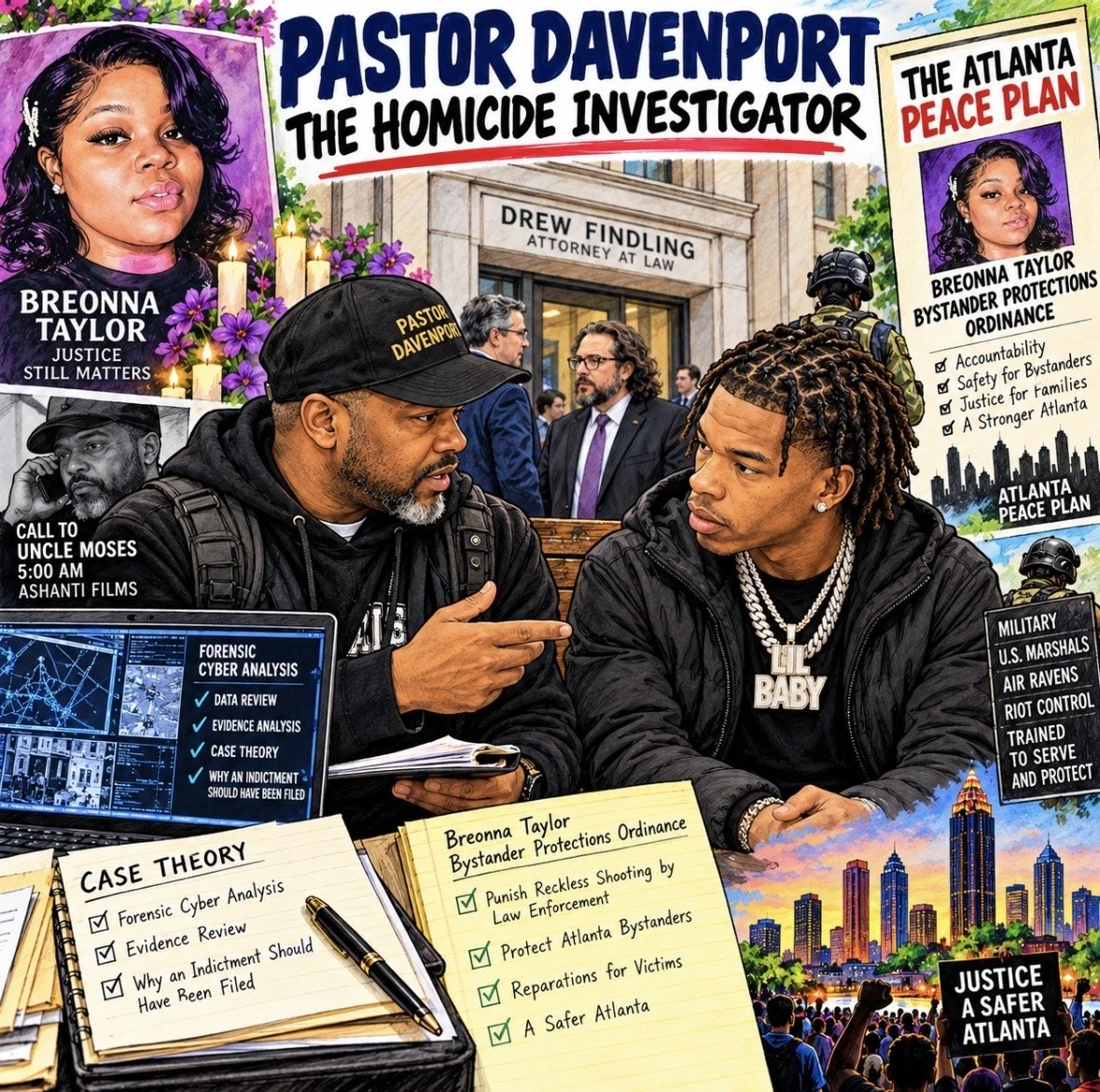
My favorite Pastor Davenport story is about when he investigated Breonna Taylor’s murder. I am going to make my title Pastor Davenport — The Homicide Investigator, and no one is going to tell me differently.
Pastor Davenport is a former homicide investigator who investigated the death of Breonna Taylor.
He did this through forensic cyber analysis and research. Pastor Davenport is a member of the Masonic fraternity and the Phi Beta Sigma fraternity. He also stands up against hazing. When I grow up, I want to be just like Pastor Davenport and join both fraternities, if they let me in.
Pastor Davenport stood up against his own Phi Beta Sigma fraternity brother, Daniel Cameron, the Attorney General of Kentucky, because he believed Cameron was being unfair to the victims. Pastor Davenport challenged him to be fairer to the victim and her family.
Pastor Davenport also wrote a case theory explaining why the officers involved should have been indicted. It made sense to many people, including Uncle Moses, a filmmaker and activist who worked with law enforcement and others.
One day, Pastor Davenport called Uncle Moses of Ashanti Films at five o’clock in the morning and told him what he had figured out. Uncle Moses agreed with him. The theory sounded good to some people, but it did not work out the way Pastor Davenport had hoped. The officers involved in Breonna Taylor’s death did not go to jail.
Pastor Davenport brought this concern to Atlanta because another officer, named Rolfe, had fired recklessly and almost killed another woman. That woman was traumatized, and Pastor Davenport wanted reparations for her, just as he wanted them for Breonna Taylor’s family.
So Pastor Davenport, a policy advocate, came up with a proposal called the Atlanta Peace Plan. He made flyers, and they featured Breonna Taylor’s face.
Because Pastor Davenport feared only God, and because he had received extensive training through the military, the U.S. Marshals, Air Ravens, and others, he walked bravely. He had no concerns about who might attempt to intimidate him or harm him for standing up for God and justice. He was conducting what he considered an investigative report into a homicide.
To me, this means he is like Columbo, the homicide investigator. My grandma watches Columbo, and he always comes back at the end and says:
“Oh yeah, one more thing.”
I imagine Pastor Davenport doing that, too.
The Atlanta Peace Plan proposal was never adopted. It was another failure for Pastor Davenport, but he was happy because he did not worry about failing. He knew that every difficult action he took could become part of a story in the future that would educate us kids. Now, we are writing the stories we were told about him.
In addition, Pastor Davenport was coming out of the office of Drew Findling, the criminal defense lawyer, when he met a famous rapper. That rapper listened to everything Pastor Davenport had to say and told him that he agreed with the solution to protect Atlanta’s bystanders.
The policy Pastor Davenport was working on was called the Breonna Taylor Bystander Protections Ordinance. It was designed to punish law enforcement officers who recklessly fired their weapons and endangered innocent people.
The rapper he met was Lil Baby. Pastor Davenport says Lil Baby is very intelligent, and they took a picture together that day. Today, that picture has become a famous image associated with Georgia’s 21st-century civil rights movement.
We are still making Dr. King proud by struggling for justice and standing up for what is right. Pastor Davenport and the Clay House teach us that we are peacebuilders. We do not fight for justice through violence; we pursue it through peace, courage, and understanding. As peacebuilders, we stand up for victims, protect vulnerable people, and demand accountability without losing sight of our commitment to peace.
We believe that justice and peace belong together. We can make a difference by using our voices, our ideas, our creativity, and our actions to build a better future for everyone.
The picture represents more than a meeting between a pastor and a rapper. It represents a conversation about justice, protecting innocent people, and making Atlanta safer for everyone.
Now you know the story.
Pastor Davenport now raps, but the picture does not show him and Lil Baby making a rap song together. Instead, it shows them having a conversation. According to the story, Lil Baby saw the bigger picture: justice and protection for vulnerable people from reckless law enforcement actions.
Pastor Davenport is a former military servicemember and a federal law-enforcement graduate trained in maritime law enforcement and investigative skills. At our school assembly, I also learned that he was a riot-control expert and won a prestigious award for his work with the U.S. Marshals and the Georgia Army National Guard during the G8 Summit. He also served in a law-enforcement capacity at one time. To me, this proves that not all law enforcement officers are bad and that rappers can be smart, socially conscious, and concerned about justice, too.
The lesson I learned from Pastor Davenport’s story is that standing up for justice matters, even when a proposal fails. Sometimes, people will not accept your ideas right away. However, your efforts can still teach others, inspire change, and help future generations understand why fairness and protecting innocent people are important.
That is why I call him Pastor Davenport — the Homicide Investigator. And if someone asks me why, I will tell them the story.
Then, just like Columbo, I might say:
“Oh yeah, one more thing.”
Rappers are smart, too, and some rappers would make good politicians. If they know how to write music, they could use their writing skills to help write laws. They already know how to communicate with people, tell stories, and express ideas that connect with millions of fans. Their fans might support them in elections and help get them into office.
After all, if you can use your words to move a generation, you might also be able to use your words to help change the laws that govern it.
Editorial note: This is written as Maurice Davenport’s account and viewpoint. Before publishing it as factual history, verify the claims about investigative roles, legal proposals, awards, and the photograph’s historical significance.
100 Stories About Pastor Davenport
By His Student Supporters as part of the violence prevention program. Contact Ms. Pamela Johnson, at The Clay House today to fund.
Story 2: Pastor Davenport Helps Save Dhesi
I remember when a woman named Mahima Dhesi was shot during a protest in Atlanta.
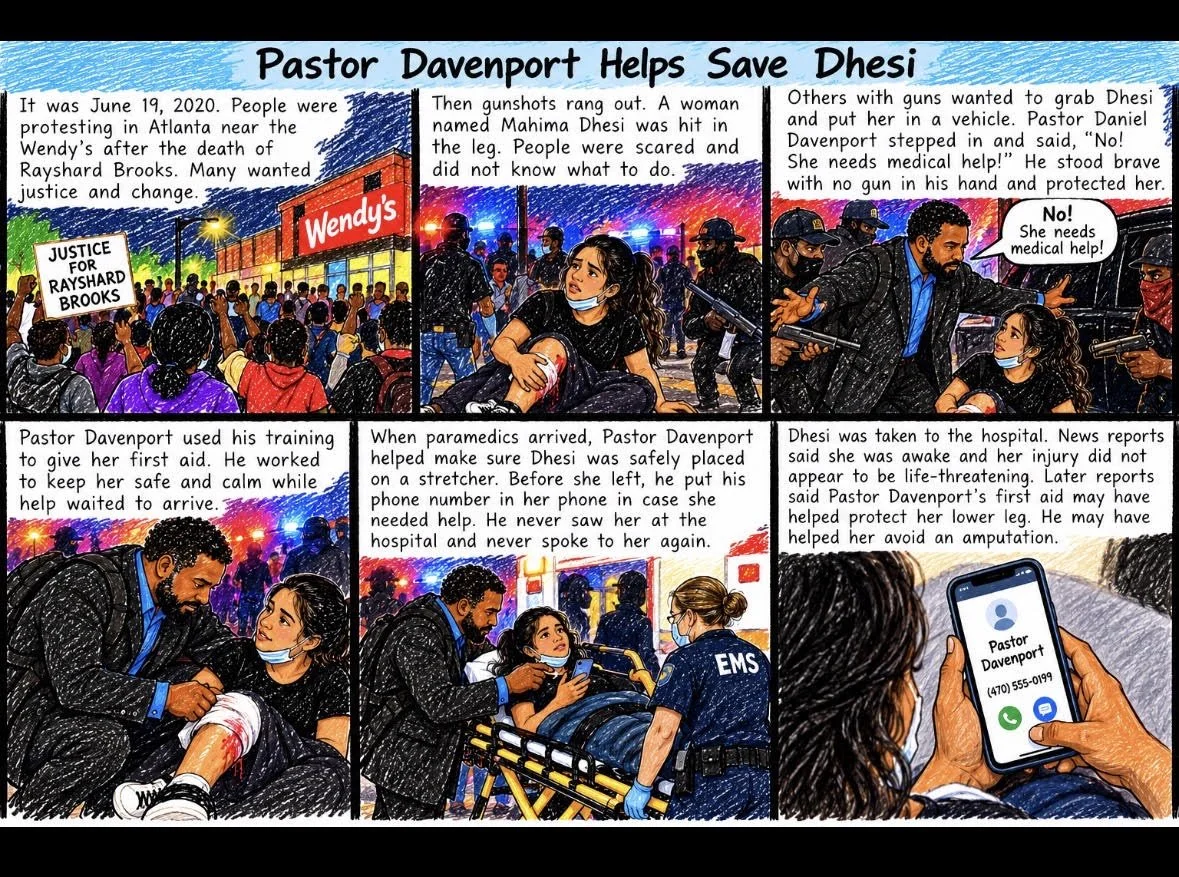
It was June 19, 2020. People had gathered near the Wendy’s on University Avenue. The city was still hurting after the death of Rayshard Brooks. Many people wanted justice and change.
So many good people came out because they believed in the work of Dr. Martin Luther King Jr. They wanted peace, fairness, and a better future.
People who had supported Pastor Davenport’s Minneapolis mission and his work on the Ahmaud Arbery mission came to meet him, too. People traveled from all over Georgia to support his new mission. Other leaders who had worked in justice movements showed up as well, and they brought their supporters.
This was not only Pastor Davenport’s effort. It was Unity, a sustained, organized demonstration that lasted 23 days. The name officially came from Pastor Davenport, who had studied nonviolent organizing at the Pacific School of Religion in Berkeley, California.
Pastor Davenport learned from Pastor Dorsey Blake of the Fellowship of All Peoples, the former church of Howard Thurman, who wrote Jesus and the Disinherited. Pastor Davenport learned organizing strategy from Pastor Blake directly. He also brought James Lawson to speak to his class. Other participants had received training through their own experiences and organizations.
This mission had a special goal: to build the site into a peace center. Many of the other groups had individual goals. Pastor Davenport focused on legislation, and his contribution was to advocate for reparations.
He wanted people to ask for reparations for bystanders who were hurt and for the families of victims. Pastor Davenport took a picture with the nephews of Rayshard Brooks and met their mother, Starr. He wanted to help them receive financial support because their uncle had been caring and had provided financially for them and others.
Pastor Davenport believed that innocent people and families affected by violence should not have to carry the burden alone. One bullet also went into a woman’s car, and Pastor Davenport interviewed her. She was scared and traumatized.
Pastor Davenport wanted reparations for people traumatized by incidents like this. He did not want to help only the police through better laws. He wanted to think fairly and help anyone God placed in his path when he encountered problems that good proposals could address.
Pastor Davenport created a website called RayshardLaw. Close loved ones also created an Instagram page using the same name. That Instagram page still stands today.
The proposed Rayshard Brooks ordinance did not pass. But the work still taught people an important lesson. They learned why reparations could be fair and how a program could be paid for without raising taxes.
Pastor Davenport had worked on other efforts to change laws before returning to his Georgia roots. He had helped with efforts connected to AB 3121 in California, which created a task force to study reparations. He had also worked on efforts to secure funding for police body cameras and training.
Another important law was California’s AB 392, which changed the state’s rules regarding when law enforcement officers may use deadly force.
Now Pastor Davenport was back in Georgia, working to help change laws through his company, Grassroots Engineering. He owned the company with Darryl Carey, a well-known and courageous lobbyist from Oakland, California.
As the movement grew, more people arrived with different goals. Pastor Davenport believed that some people who wanted to end police operations began “infiltrating” the peaceful movement. He wanted the mission to remain focused on justice, peace, and helping people.
Pastor Davenport was not alone in this work. The National Association for Equal Justice in America, rappers such as T.I., Lil Baby, and 2 Chainz, and many other supporters were connected to the larger call for change.
Pastor Davenport was also a rapper. He dedicated his song “We All Matter” to the tragedy.
Over time, Pastor Davenport believed that people who wanted to change the movement’s purpose became stronger. At times, certain leaders were away from the peaceful site. The community still needed the good work that was happening there.
The site was much more than a place to protest. It had a candlelight vigil to remember those who had died. There were tours and demonstrations to teach people about the issues. People played basketball, worked in a garden, and received free food and other helpful resources.
There were even resources for police officers who wanted to join the “trusted” list. Pastor Davenport said that some officers were good and that not all officers were “bad apples.” He also worked with other leaders on gang-prevention efforts and taught a local group how to establish its own lobby.
The Burnt Wendy’s began making the news because of harmful actions by people Pastor Davenport described as “bad apples.” However, the news coverage did not report on the whistleblower program led by Pastor Davenport.
One time, someone saw Pastor Davenport talking with police and filmed him. She believed that people from Atlanta were not supposed to talk to the police. Pastor Davenport told her that she had been taught the wrong lesson, and he now teaches the full story: If you commit a crime and are caught, you should accept the consequences.
People should not try to avoid accountability by making deals to help police arrest other criminals across town. Such deals can allow someone who committed a crime in one area to return to the community and continue committing crimes while helping police build larger cases against others.
The whistleblowing station helped because people knew that Pastor Davenport had worked in law enforcement. They believed they could trust him to listen to their concerns and explain them to law enforcement. He knew how to speak with both community members and officers.
People who said they had been hurt by law enforcement could share their stories. They could make reports, and some could have their faces blurred to help protect their privacy.
Pastor Davenport had worked in law enforcement before. He taught people about gun safety and marksmanship. He wanted people to understand how to handle firearms safely and responsibly.
Some activists at the site also had a person they described as a sniper. This made the news, and some people became scared when they heard there was a sniper at the protest site.
Pastor Davenport and his supporters said the purpose was to protect the children from people who might try to hurt them. They believed the children deserved to feel safe while they played, learned, and took part in community activities.
The site was a place where people came to speak up, learn, play basketball, grow food, share meals, and help one another. Pastor Davenport wanted the community to have both a voice and a way to protect its people.
But on June 19, 2020, the mission became more than meetings, websites, and laws.
Then gunshots rang out.
A woman named Mahima Dhesi was hit in the leg. People were scared, and she needed help.
Pastor Daniel Davenport was there. When he saw Dhesi was hurt, he stepped forward.
But there was another danger. According to Pastor Davenport’s account, some armed people wanted to grab Dhesi and put her into a vehicle.
Pastor Davenport stood between them and Dhesi. He did not have a gun in his hand. He stood bravely and said, “No! She needs medical help!”
He wanted Dhesi to get medical care, not be taken away by armed people. He stood his ground and protected her while she was hurt.
Pastor Davenport had military and emergency-response training. He used what he knew to give Dhesi first aid. He worked to keep her safe while they waited for emergency workers.
When the paramedics arrived, Pastor Davenport helped make sure Dhesi was safely placed on a stretcher so she could be taken to an ambulance.
Before Dhesi left, Pastor Davenport put his phone number into her phone in case she needed help later.
Then they went their separate ways.
Pastor Davenport never saw Dhesi at the hospital. He never spoke to her again after that day.
Dhesi was taken to the hospital. News reports said she was awake and that her injury did not appear to be life-threatening. A later profile said Pastor Davenport’s first aid may have helped protect her lower leg and may have helped her avoid an amputation.
Think about what happened that night. Pastor Davenport had come to Atlanta to help people work for justice and fair laws. But when someone was in danger right in front of him, he did not just talk about helping people. He stepped forward and helped.
He did not have a gun in his hand. He used his courage, his training, and his voice.
This story teaches us that making the world greater takes more than words. It takes people who care enough to stand up for others, work for fair laws, and help someone in need.
A hero is someone who stands up for others when they are in danger.
And sometimes, the most important thing a person can do is say, “No. This person needs help.”
The Clay House Study Questions
Building Character Through Peace, Justice, and Service
Who trained the sniper, and what was the purpose of that training?
Why did Pastor Davenport want to create a reparations plan that helped victims and their families without raising taxes on the people?
Why did Pastor Davenport work to help law enforcement officers, people protected by law enforcement, and people who had been harmed by law enforcement? What does this teach us about fairness and justice?
⸻
Walk With Me: Peacebuilding Heroes
Visit ChristianPeacebuilding.com/walk to discover more peacebuilding hero stories, listen to peace songs, and learn how to participate in “Walk With Me,” the Clay House program that brings law enforcement officers and student leaders together.
The Clay House Mission
Restore at least one life, one day at a time.
One part of the Clay House mission is to restore atleast one life a day.
The Clay House works to build character, encourage peaceful choices, and help people find a path toward a better future. Our stories are designed to help students develop virtues such as courage, fairness, responsibility, compassion, and respect for others.
The program serves students in schools throughout the City of Atlanta, Fulton County, and DeKalb County. It is led by Ms. Pamela Johnson.
To visit Ms. Johnson’s community directly, go to:
ChristianPeaceBuilding.com/Clay-House
At the Clay House, we believe that every life matters, every person deserves the chance to grow, and every day is an opportunity to help someone move toward a better future.
100 Stories About Pastor Davenport
Snitches Are Heroes When They Help Bring Justice
by a fourth-grade student
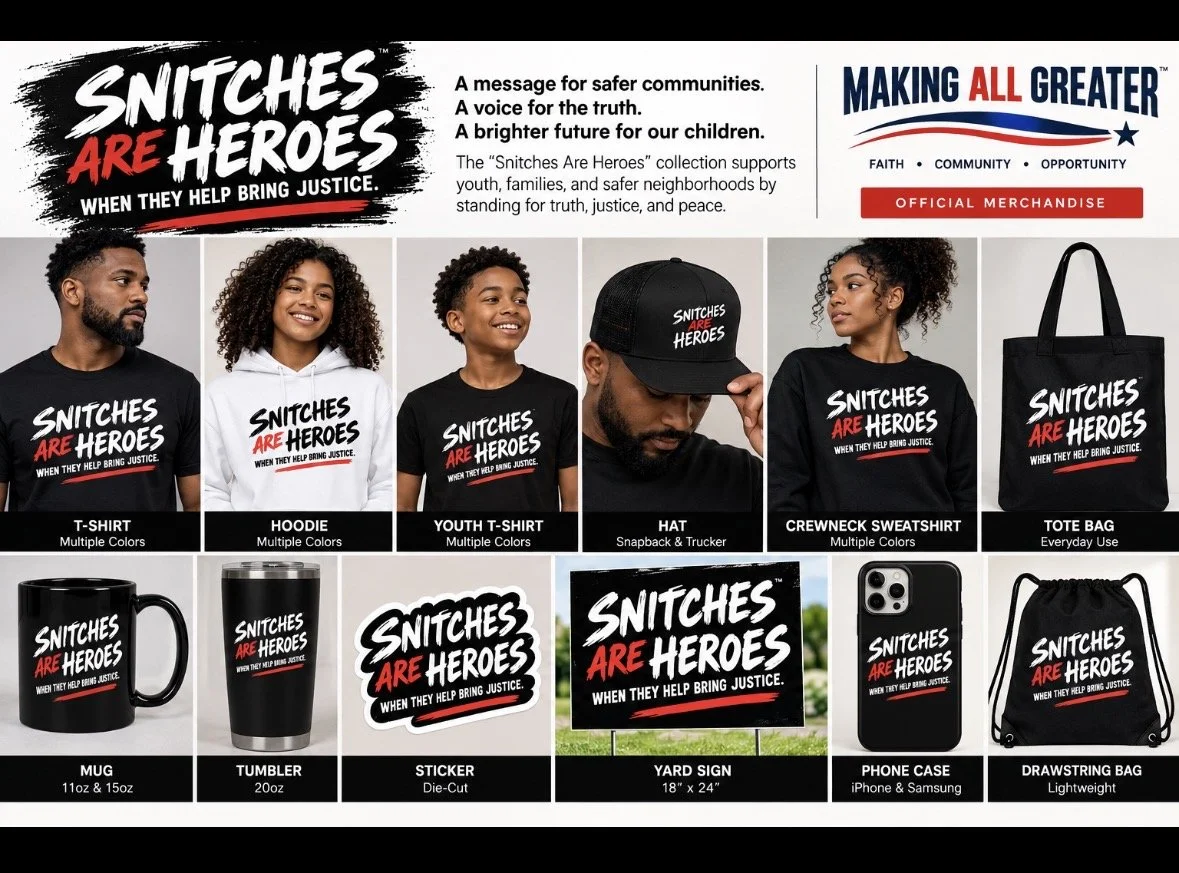
Click here to buy our merchandise. Click here to contact Ms. Pamela Johnson, to book your class to learn a “Lotto Lesson” or to have her expert trainers teach Atlanta students when snitching is actually good. This is part of her Prevent the violence program for youth and adults. Donate to Ms. Pam directly by contacting her at: pammjohnson1229@gmail.com. In addition, Ms. Pam, and the Clay House are honoring law enforcement during the month of October, and encouraging our youth on their legal rights to request lawyers, if they are suspected of crimes, but also teaching youth to be friendly and share and seek help from the Clay House Friends. “The Clay House Law Enforcement friends list’ is an approved list of Trusted Atlanta law enforcement officers youth can go to if they want help or desire to whistle blow. The goal is ending school shootings and preventing violence in Atlanta. The program is partner of the larger BCSN. Designed to protect whistleblowers and their families with safe houses.
Snitches Are Heroes When They Help Bring Justice
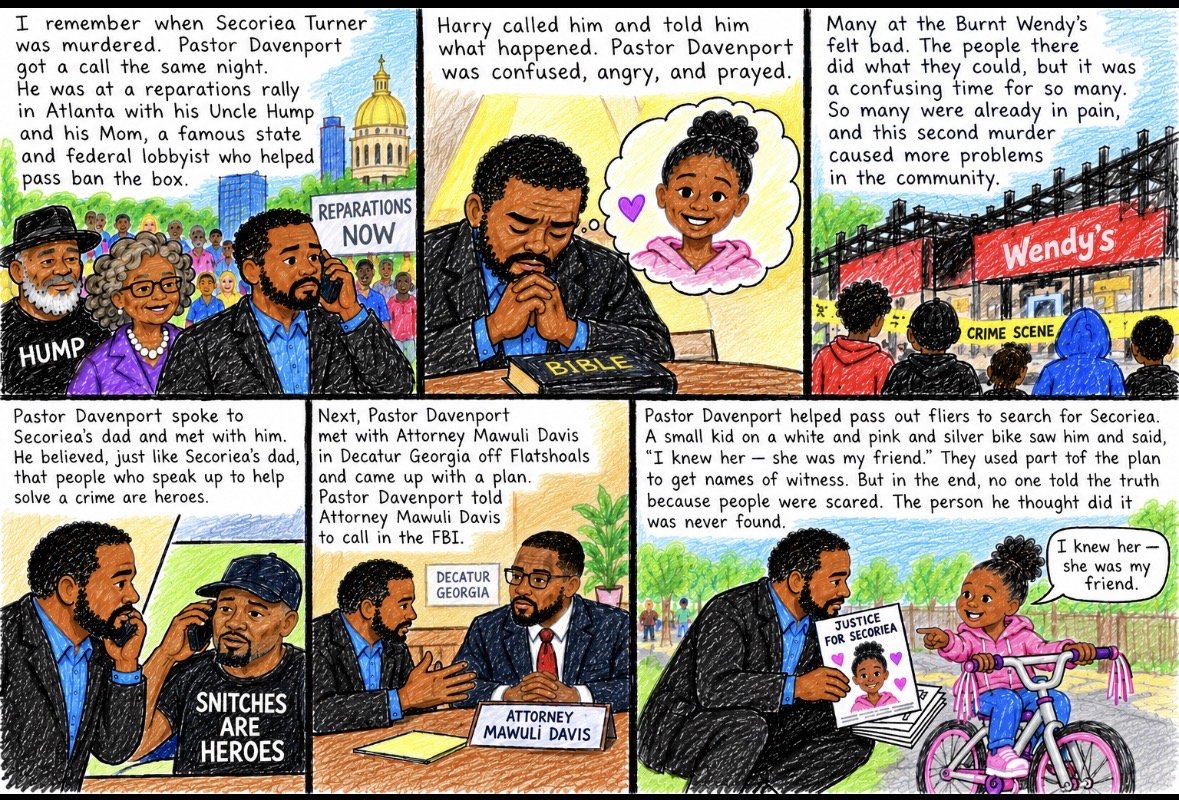
I remember when Secoriea Turner was murdered. Pastor Davenport got a call that same night.
Pastor Davenport was at a reparations rally in Atlanta. His Uncle Hump was in town, too. His mom was there as well. She was a famous state and federal lobbyist who helped pass Ban the Box. This helped people get a fair chance at jobs without being asked about their past right away.
Harry called Pastor Davenport and told him what happened. Pastor Davenport was confused and angry. He was also very sad. He stopped and prayed.
Many people at the Burnt Wendy’s were scared. It was a hard and confusing time for the whole community. The people there did what they could, but so many people were already in pain. This second murder caused even more problems in the community.
Pastor Davenport wanted people to help find the truth. He believed, just like Secoriea’s dad, that people who speak up to help solve a crime are heroes.
Pastor Davenport spoke with Secoriea’s dad and met with him. He also met with Attorney Mawuli Davis in Decatur, Georgia, off Flat Shoals Road.
Together, they came up with a plan. Part of the plan was to help people feel safe enough to share what they knew. They wanted to learn the names of people who might have seen what happened.
But people were afraid. In the end, no one came forward with the truth that Pastor Davenport and the others were looking for.
Pastor Davenport told Attorney Mawuli Davis to call the FBI. Pastor Davenport also knew someone at the FBI who cared about helping the Atlanta community. That person had worked with him before when he was investigating the murder of Ahmaud Arbery.
Pastor Davenport did not stop there. He helped pass out flyers asking people to help find answers about Secoriea’s murder.
One day, a little kid riding a white, pink, and silver bike saw Pastor Davenport passing out flyers. The child stopped and said, “I knew her — she was my friend.”
That little girl’s words showed that Secoriea was more than a name in the news. She was a friend. She was someone people knew and loved.
Pastor Davenport kept trying to help the community find answers. But the person he suspected was responsible was never found.
This story taught me something important. Speaking up can be scary, especially when people are afraid. But telling the truth can help a family find answers and help a community heal.
Snitches are heroes when they help bring justice.
Sometimes, being a hero means having the courage to speak up when someone needs help.
Snitches Are Heroes When They Help Bring Justice
by a fourth-grade student
Click here to buy our merchandise. Click here to contact Ms. Pamela Johnson, to book your class to learn a “Lotto Lesson” or to have her expert trainers teach Atlanta students when snitching is actually good. This is part of her Prevent the violence program for youth and adults. Donate to Ms. Pam directly by contacting her at: pammjohnson1229@gmail.com. In addition, Ms. Pam, and the Clay House are honoring law enforcement during the month of October, and encouraging our youth on their legal rights to request lawyers, if they are suspected of crimes, but also teaching youth to be friendly and share and seek help from the Clay House Friends. “The Clay House Law Enforcement friends list’ is an approved list of Trusted Atlanta law enforcement officers youth can go to if they want help or desire to whistle blow. The goal is ending school shootings and preventing violence in Atlanta. The program is partner of the larger BCSN. Designed to protect whistleblowers and their families with safe houses.
Snitches Are Heroes When They Help Bring Justice
I remember when Secoriea Turner was murdered. Pastor Davenport got a call that same night.
Pastor Davenport was at a reparations rally in Atlanta. His Uncle Hump was in town, too. His mom was there as well. She was a famous state and federal lobbyist who helped pass Ban the Box. This helped people get a fair chance at jobs without being asked about their past right away.
Harry called Pastor Davenport and told him what happened. Pastor Davenport was confused and angry. He was also very sad. He stopped and prayed.
Many people at the Burnt Wendy’s were scared. It was a hard and confusing time for the whole community. The people there did what they could, but so many people were already in pain. This second murder caused even more problems in the community.
Pastor Davenport wanted people to help find the truth. He believed, just like Secoriea’s dad, that people who speak up to help solve a crime are heroes.
Pastor Davenport spoke with Secoriea’s dad and met with him. He also met with Attorney Mawuli Davis in Decatur, Georgia, off Flat Shoals Road.
Together, they came up with a plan. Part of the plan was to help people feel safe enough to share what they knew. They wanted to learn the names of people who might have seen what happened.
But people were afraid. In the end, no one came forward with the truth that Pastor Davenport and the others were looking for.
Pastor Davenport told Attorney Mawuli Davis to call the FBI. Pastor Davenport also knew someone at the FBI who cared about helping the Atlanta community. That person had worked with him before when he was investigating the murder of Ahmaud Arbery.
Pastor Davenport did not stop there. He helped pass out flyers asking people to help find answers about Secoriea’s murder.
One day, a little kid riding a white, pink, and silver bike saw Pastor Davenport passing out flyers. The child stopped and said, “I knew her — she was my friend.”
That little girl’s words showed that Secoriea was more than a name in the news. She was a friend. She was someone people knew and loved.
Pastor Davenport kept trying to help the community find answers. But the person he suspected was responsible was never found.
This story taught me something important. Speaking up can be scary, especially when people are afraid. But telling the truth can help a family find answers and help a community heal.
Snitches are heroes when they help bring justice.
Sometimes, being a hero means having the courage to speak up when someone needs help.
Pastor Daniel Meets a Famous Elections Security Man
By Mahasta Muhummad
Clarkston, Georgia
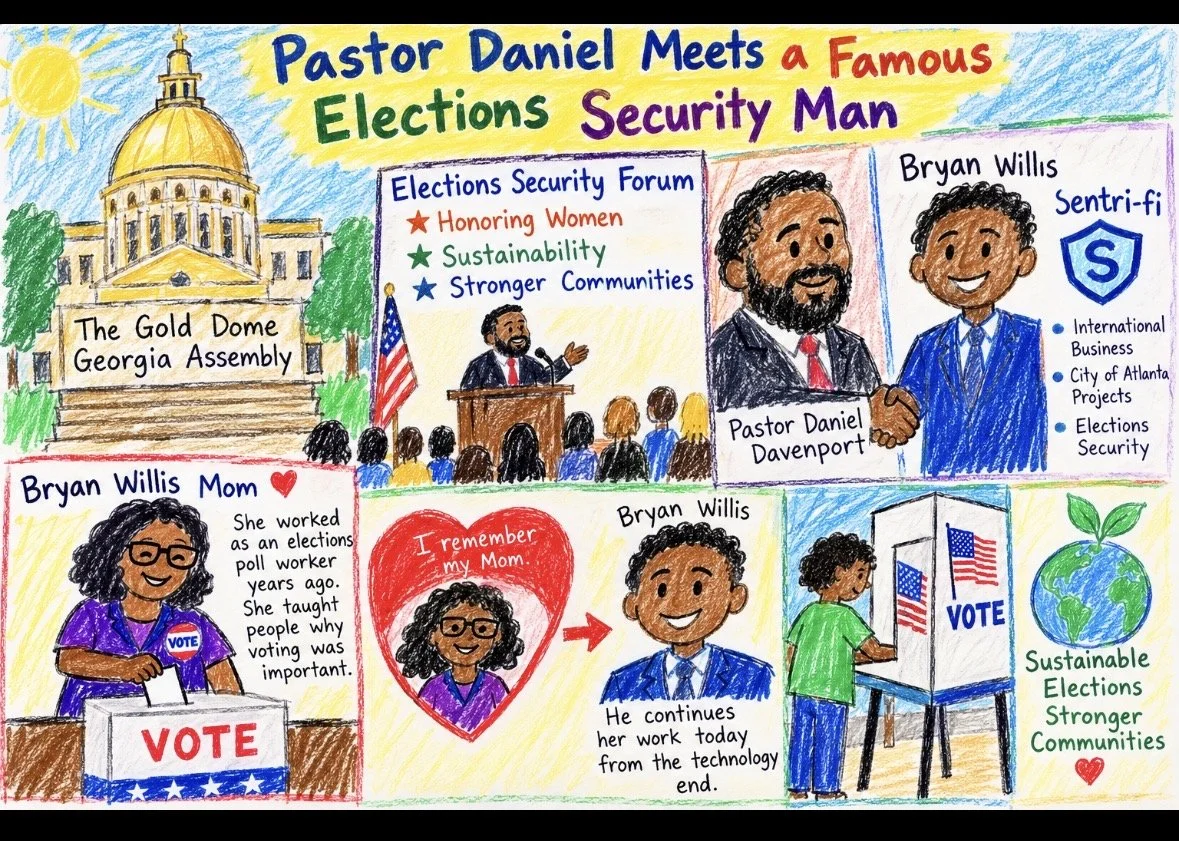
One time, I heard that Pastor Davenport spoke at a special forum about elections security. The forum was held at the Georgia Assembly, which is called the Gold Dome. They honored women and talked about sustainability.
I think elections must become sustainable and safe. Today, grown-ups argue about whether votes can be changed and whether people are cheating. I think we should work together to make elections more secure so people can trust them.
Pastor Daniel Davenport used to protect nuclear missiles at SWFLANT in Kings Bay, Georgia. He is also a friend of Jim Cantrell. In 2020, Jim Cantrell called Pastor Davenport to work on his campaign. Jim Cantrell is an American engineer and a rocket and missile expert.
At the forum, Pastor Davenport met a very smart man named Bryan Willis. Bryan has a company called Sentri-fi. He does international business and has also worked on projects with the City of Atlanta.
Bryan’s mom worked as an elections poll worker years ago. She helped people understand why voting was important. Even though she has passed away, her work can still inspire people. I believe Bryan carries her memory in his heart as he works on technology that may help make elections more secure.
Pastor Daniel knows many people. He listened to Bryan talk about what he was good at: technology. Then Pastor Davenport introduced Bryan to Gail Davenport.
I learned that listening is very important. If you do not listen to people, you may not know what they are good at or how you can help them. When we listen carefully, we can discover ways to connect people and help them use their talents.
Maybe these connections will help people work together to build better security systems for Georgia in the future.
I also heard that Pastor Davenport talked about helping people on the Assembly elevator and introducing them to new people. I think that is a good way to help others.
I learned that being a hero does not always mean being the main person. Sometimes, being a hero means being a sidekick. You can introduce one special person to another special person and then step back. You can go on living your life, knowing that you helped make something good happen.
We do not always have to be the star of the story to matter. Sometimes, one introduction can make a big difference. We can honor people who came before us by continuing their good work.
The lesson I learned is that everyone can be a hero. Listen to people, learn what they do well, and help connect them with others. Sometimes, all it takes is one good introduction to help something wonderful happen.
PRESS RELEASE
ADVANCES SUSTAINABILITY AMBASSADOR MISSION WITH MULTI-PILLAR INFRASTRUCTURE PLATFORM
ATLANTA, GA — Following graduation from the City of Atlanta Sustainability Ambassador program, Bryan L. Willis, Sr. has expanded his civic commitment into an integrated, commercial-scale sustainability platform through New Progress Ventures, LLC (NPV).
By unifying spatial intelligence—grounded in Willis’s extensive background in Geographic Information Systems (GIS) and Global Positioning Systems (GPS)—with a Google AI Essentials Certification, NPV has established a strategic advisory model that bridges smart utility grids, clean mobility, cybersecurity, workforce development, and community impact under a unified framework.
KEY MILESTONES & CORE PILLARS IN ACTION
Since completing the cohort, Willis has driven major operational and strategic advancements across NPV’s five enterprise pillars:
Clean Mobility & Smart Grid Infrastructure (Murcia Group International, Off-Ramp Collectives, Stargent EV & DynaChrg EVES): Deploying commercial Level 2 and DC Fast Charging networks integrated with the EVES (Electric Vehicle Energy Storage) management platform. Utilizing dynamic load balancing (DDEC algorithm), EVES schedules and regulates power to prevent costly utility peak-demand surcharges, enabling property owners to scale charging nodes natively on existing panels without multi-month utility transformer delays. Key active projects include deployments across historic Sweet Auburn (APEX Museum) and commercial parking assets with Park Place Parking.
Smart Utility & Energy Optimization (Bynry Inc.): Leveraging GIS mapping and SMART360 software to help public and private utilities modernize billing, meter data management, and operational workflows—cutting municipal software overhead by up to 49%.
OT/IT Cyber Edge Protection (Sentri-Fi / AxcelNet): Securing municipal and commercial grid-connected IoT assets, EV charging stations, and smart utility meters through NIST-aligned hardware air-gapping and threat monitoring. Securing Voter Protection rollouts based on David Chaum and parcel-19 mathematics with non-deletable voting outcomes.
Workforce & Technical Sourcing (BuraqHR / My HR Mgmt): Building workforce pathways to train and place local talent into high-wage clean energy, low-voltage electrical, and IT infrastructure careers.
Civic Engagement & Regional Leadership: Partnering with regional leaders—including Fornando Hill, President of the Electric Vehicle Association (EVA) of Georgia—to advance workforce inclusion and public electrification education through statewide events like the upcoming Silent Thunder experience at EchoPark Speedway.
STATEMENT FROM BRYAN L. WILLIS, SR.
"The Sustainability Ambassador cohort reinforced that true urban sustainability requires a connected approach," said Bryan L. Willis, Sr., Managing Member of NPV and Chief Commercial Officer & Executive Vice President at Murcia Group International, LLC, Off-Ramp Collectives, LLC, Stargent EV, LLC and Sentri-Fi, LLC. "Whether we are applying GIS spatial mapping to preserve historic landmarks like the APEX Museum, deploying dynamic EV charging load management to protect property energy bills, protecting voters or training local workers for clean-tech careers, our goal remains singular: Preserve our history. Power our future. Build resilient communities."
PRESS RELEASE
FOR IMMEDIATE RELEASE
Coast Guard Enlisted Association Highlighted During Domestic Violence Awareness Month: Supporting Military Families and Children
BASE ALAMEDA, California — October 6, 2026 — During Domestic Violence Awareness Month, Christian Peace Building is highlighting the importance of organizations that stand alongside enlisted Coast Guard families, including the Coast Guard Enlisted Association (CGEA) and its work supporting enlisted personnel and their families.
For many military families, the strength of the service member is closely connected to the strength of the family behind that service. Organizations that provide assistance, fellowship, advocacy, and practical support can be particularly important for junior enlisted families and their children.
A Personal Connection to the Mission
Daniel Davenport’s connection to this work comes from his own Coast Guard enlisted experience.
While serving at Coast Guard Base Alameda, Davenport performed maintenance duties involving WMSL C4ISR, gun and radar systems. Base Alameda is described in this release as the third-largest Coast Guard base. During his time there, Davenport also served as president of the Coast Guard Enlisted Association, giving him firsthand experience with the needs and challenges facing enlisted Coast Guard personnel and their families.
Davenport says that experience helped inspire his song “Honoring Heroes,” an honorary song being presented in connection with the Coast Guard Enlisted Association during Domestic Violence Awareness Month.
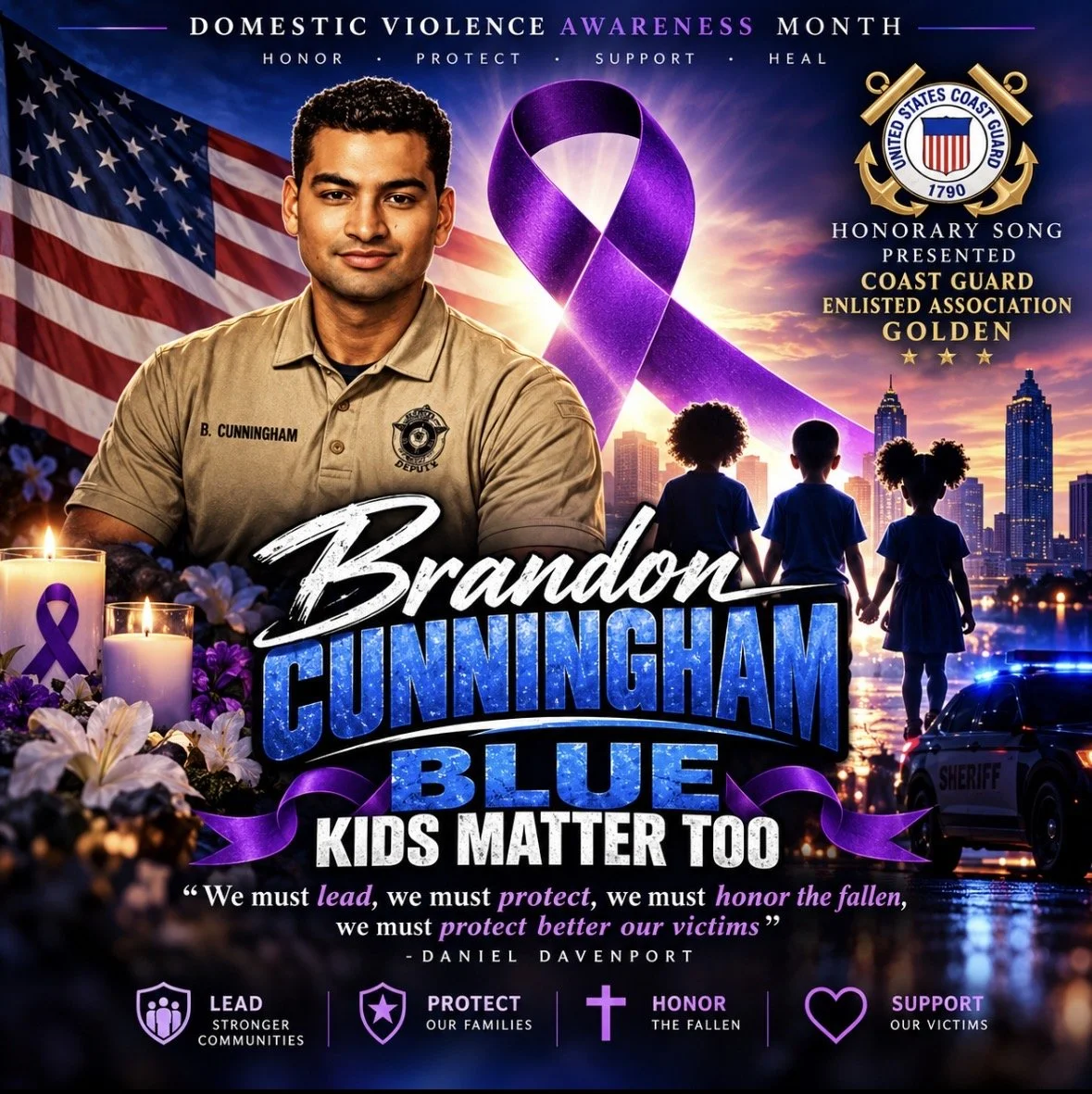
“We must lead, we must protect, we must honor the fallen, we must protect better our victims.”
— Daniel DavenportThe song connects military service with a broader responsibility to protect families and children—particularly those who may be affected by domestic violence, trauma, or the loss of a loved one.
Supporting the Children Behind the Uniform
The Coast Guard Enlisted Association’s work supporting enlisted personnel E-6 and below is especially meaningful to the families represented by the organization.
The message of “Blue Kids Matter Too”is that children should not become invisible when adults are dealing with conflict, violence, separation, or loss. Military children experience many of the sacrifices associated with service alongside their parents.
Domestic Violence Awareness Month provides an opportunity to recognize victims, survivors, children, first responders, military families, and community organizations working to prevent violence and strengthen families.
Honoring Deputy Brandon Cunningham
The tribute also honors Deputy Brandon Cunningham, whose death while responding to a domestic dispute in Paulding County became a reminder of the risks faced by those who respond when families are in crisis.
The “Honoring Heroes” project brings together three themes:
LEAD. PROTECT. HONOR.
Lead communities toward peace.
Protect families and children.
Honor those who have fallen while improving protection for those who remain.For Davenport, the message is rooted in his Coast Guard enlisted experience and his continuing peacebuilding work.
“Honoring Heroes” is intended as a tribute to those who serve, those who protect, and the families and children who deserve protection as well.
Media Contact:
ChristianPeaceBuilding.comPublishing Location: Base Alameda, California
FOR IMMEDIATE RELEASE
Californian Chaplain Christian Rapper Calls for Peace Between Donald Trump & Barack Obama
BASE ALAMEDA, CALIFORNIA — October 1, 2026 — Christian rap performer, songwriter, producer and peace-music creator Daniel Davenport is using his music and public platform to promote a message of peace and cooperation.
Davenport’s message to Donald Trump and Barack Obama is direct:
“You both represent something. You all could do more good together. Gotta focus on peace alone. Leave the political bullying out the game and try a fresh re start.”
Davenport says his broader work connects peace music with business opportunities, encouraging artists to think differently about the value of their music catalogs and the possibilities available through music, entrepreneurship, and peacebuilding.
“The game is to be shared—not sold,” Davenport says.
PODCASTS, PERFORMANCES & SPEAKING
Davenport is available for podcast appearances, rap performance engagements, speaking opportunities, and conversations about peace music and the business opportunities surrounding music catalogs.
Personal contact: 510-256-3419
Official booking: ChristianPeaceBuilding.comHEAR DANIEL DAVENPORT’S MUSIC
Daniel Davenport’s music, rap performances, and peace-centered songs are available on his YouTube music channel:
YouTube.com/@DanielDavenportMusic
MEDIA CONTACT
### END ###
_______
FOR IMMEDIATE RELEASE
“Walk With Me”: Californian Chaplain Christian Rapper Daniel Davenport Releases a Peace Music Playlist for Domestic Violence Awareness
A musical call for survivors, families, faith communities, and neighbors to walk together toward healing, hope, and peace.
By: ChristianPeacebuilding.com
BASE ALAMEDA, CALIFORNIA — October 1, 2026 — October is recognized as Domestic Violence Awareness Month, and Christian rapper Daniel Davenport is using music to create a space for remembrance, reflection, and community action.
His new “Walk With Me” playlist is designed specifically for vigils, community walks, remembrance events, churches, and other programs supporting survivors of domestic violence.
The project is also dedicated to the memory of Brandon Cunningham, honored as Hiram’s Hero, who was killed while responding to a domestic violence call in Georgia.
More Than a Playlist
“Walk With Me” brings together songs from Davenport’s peace-music catalog around a simple message:
Survivors are not alone.
The playlist moves through themes of peace, courage, remembrance, law-enforcement service, faith, healing, and community responsibility.
The current nine-song playlist includes:
PEACE — Daniel Davenport
WALK WITH ME — Daniel Davenport
HONORING HEROES — Daniel Davenport
Honored — Daniel Davenport
Broken Hearted Cop (Special Version) — Daniel Davenport feat. Nikki Nicole
America United — Daniel Davenport feat. Nikki Nicole
Revenge Ends (Special Version) — Daniel Davenport feat. Nikki Nicole
PRAYER KNIGHTS (Now Included) — Daniel Davenport
Super Powers — Daniel Davenport
Music for Vigils and Community Walks
The project is intended to give organizers a soundtrack they can incorporate into gatherings where people come together to remember victims, honor those who serve, support survivors, and promote peaceful communities.
Rather than treating music simply as entertainment, Davenport presents peace music as a tool for participation—something that can accompany a walk, memorial, prayer gathering, candlelight vigil, or community conversation.
The central idea is captured in the project’s closing message:
“Music for healing. Music for a safer tomorrow.”
Listen and Share
The “Walk With Me” playlist is available through major music-streaming platforms, while the Daniel Davenport YouTube channel provides a central place for people who want to watch and listen.
YouTube.com/@DanielDavenportMusic on YouTube
Organizers planning a domestic-violence awareness event can use the playlist as part of their programming and share the YouTube channel with participants.
A Walk Toward Peace
For survivors, the message is simple: you do not have to walk alone.
For families, it is an invitation to talk about safety and healing.
For communities, it is a reminder that preventing violence requires more than one day of awareness.
And for those remembering Brandon Cunningham, it is an opportunity to honor his service by continuing to pursue a safer future.
“Walk With Me” is music for the walk—and a call to keep walking toward peace.
Popular